Growing More with Less: How Smart and Organic Farming Is Transforming Lives in Daspalla
1. Case Study Case Study – Grafted Brinjal and Organic Inputs Transform Productivity in Gunduribari and Tangnadi
Gunduribari and Tangnadi villages have emerged as strong demonstration hubs for grafted brinjal cultivation combined with organic nutrient management. Farmers who earlier cultivated traditional brinjal varieties faced frequent issues like wilt, stem borers, and low yields.

With technical support from JRP, Jeevika has helped farmers adopt new strategies:
Grafted brinjal seedlings
Handi Khata (fermented organic liquid nutrient)
Home-based vermicompost
The results have been remarkable. Plants show faster growth, stronger stems, and higher branching. The use of organic inputs reduced pest attacks by over 40%, and farmers reported better soil texture within one season. Women farmers especially took the lead in handi khata preparation, making farming more cost-effective. Today these villages serve as learning sites for neighbouring communities, proving that small farmers can increase productivity sustainably.

2. Case Study – Greenhouse Success: Biswal Babu and Sarat Pradhan Lead the Way
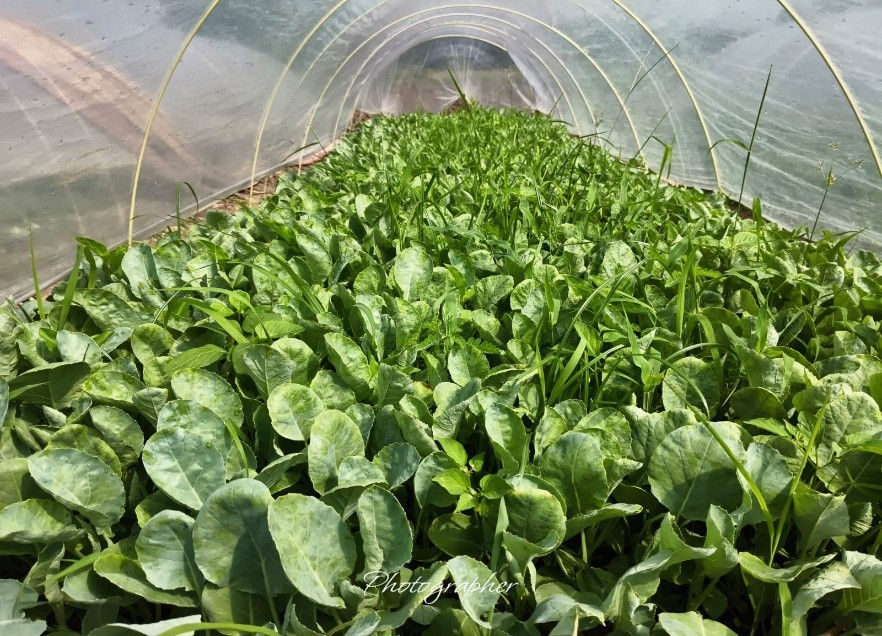
Biswal Babu and Sarat Pradhan are among the earliest adopters of greenhouse farming under JRP’s Smart Farming Initiative. Both farmers faced irregular rainfall, pest issues, and low seasonal income from open-field vegetables. With Greenhouses, they now grow high-value vegetables such as capsicum, leafy greens, and tomato under controlled conditions. The results:
Plants grow 30–40% faster
Very minimal pest/disease attacks
Stable harvests even during heat and rain
Weekly income from continuous picking
Both farmers are now earning steady weekly revenues and have become “Model Greenhouse Farmers” for neighbouring villages. Their success has also motivated local SHGs to explore greenhouse-based micro-enterprises.
3. Case Study – Profit from Simba Cultivation: The Success Story of Bipracharan Biswal
Bipracharan invested modestly in Simba (flat beans) cultivation—a crop with strong market demand.
Investment and Production:
Simba seeds: 50 g
Other inputs (Pidia, etc.): ₹500
Total expenditure: ₹500
Output:
Harvested 6–7 times
Total production: 50–60 kg
Selling price: ₹90 per kg
Total income: ₹4,500–₹5,400
Net Profit ₹4,000–₹5,000 in a single short-season crop
Bipracharan’s success shows how even very small investments in organic vegetable crops can give significant returns. The crop is now inspiring other farmers in the community to try Simba along with organic inputs.

“Simba gave me quick returns with very low cost. I will grow double next season.”— Bipracharan Biswal
4. Case Study – Multiple Crop Income: The Integrated Farming Success of Sarat Chandra Pradhan
Sarat Pradhan has moved away from traditional methods to practise a multi-crop model, ensuring year-round income from small landholdings.
A. Dhania (Coriander)
Total expense: ₹500
Harvested: 35 kg
Selling price: ₹200/kg
Income: ₹7,000
Net profit: ₹6,500
This quick 35–40-day crop gave him excellent returns.
B. Green Chilli
Expense: ₹500
Harvesting: 30 times over 6 months
Total quantity: 120 kg
Income: ₹5,000
Net Profit: ₹4,500
Green chilli gave him regular weekly earnings, improving household cash flow.
C. Brinjal (400 plants)
Plants are currently under growth.
Expected high yield due to organic inputs and proper spacing.
Impact
Sarat Pradhan now earns regular, diversified income, reduces risk, and ensures fresh vegetables for his family. His field has become a model demonstration site for multiple-crop organic farming.


I was actually looking for a reliable way to find volume of a cylinder because I needed to estimate the capacity of a storage container. An online calculator turned out to be much more convenient than doing everything manually, especially after changing the dimensions several times.